The New Statesman
Grizzly tale of woe for conservation officers
Cathryn Atkinson September 24, 2007
NELSON, BC - Len Butler is run off his feet. A Conservation Officer (CO) with the British Columbia wildlife service, he has shot 25 black bears and grizzlies since the end of August, and has investigated complaints against dozens more.
Butler is the only CO in a one-man office in Nelson, a town of 9,500 tucked in the spectacular Selkirk mountain range, and is responsible for patrolling thousands of square kilometres on his own since cuts to the service in 2001.
British Columbia is almost 4 times the size of Britain and has just 73 COs. Despite the lack of officers, they shoot around 1,000 bears each year, most of them in the autumn.
At this time of year, bears are preparing for hibernation and need 20,000 calories a day to ensure their survival through the rough Kootenay winters.
Following this summer's worst drought in decades, Butler and other COs have tried to keep an eye on the starving animals that have left the berry-bereft mountains to walk through the valleys – and the human settlements that lie there – in their non-stop search for food.
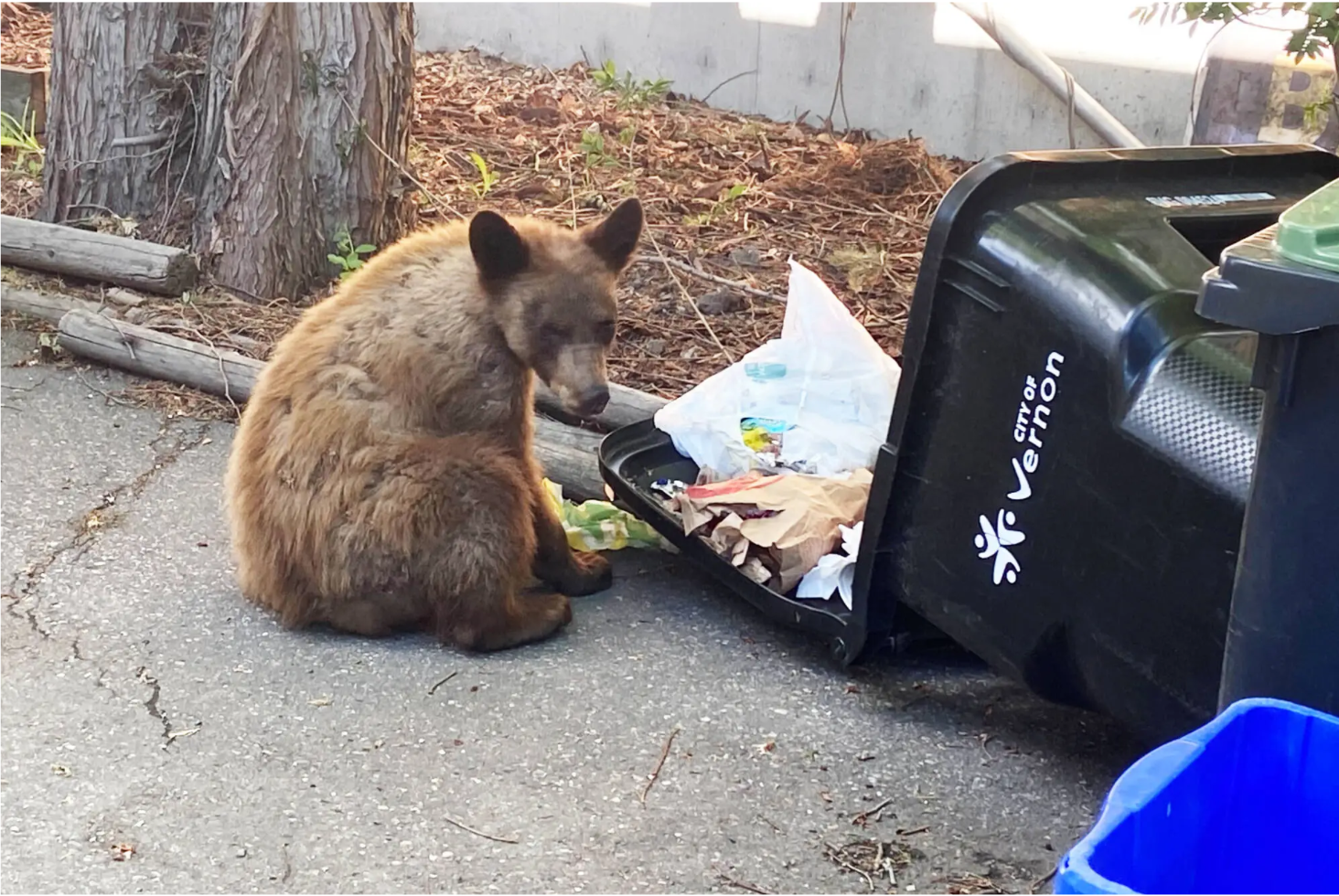
The bears are finding it in poorly sealed rubbish containers and in the many delectable garden orchards for which the region is famous. Once habituated to human refuse, the bear can be dangerous – and some are charging people in town in broad daylight and killing livestock.
Normally, a bear will flee from people, but Butler shot one that had attacked a woman and her 4-year-old granddaughter in their orchard, leaving the girl with a deep gash in her leg. The bear was later found rooting through a compost heap and was killed.
Butler said that the rubbish at his own farm is kept under lock and key and fruit is picked immediately. To do otherwise, he said, is a death sentence for the bears. It takes two weeks to ruin a bear with human food. Trapping and relocating them generally doesn't work, with the animals being known to return to town to two days after being moved 70 kilometres away.
At Castlegar, 40 kilometres to the west of Nelson, CO Ben Beetlestone and his partner have shot 30 bears in two weeks. His most recent call was to investigate a black bear trying to break into a house, with its head and paw poking through a cat flap. The fact that the family was there did not deter it.
Some communities, particularly in the Rockies, have lost their wildlife officers altogether; others closer to the coast – most notably the ski resort of Whistler, the towns of Kamloops and Squamish, and parts of Greater Vancouver, have Bear Smart education programs to encourage changes in human behaviour.
In Squamish, local COs have moved quickly after the deaths of 15 bears in two weeks and are issuing tickets to households who leave their rubbish out on non-collection days. Fines can run up to C$775 (£380)for each day of non-compliance.
Dave Jevons, the local CO there, said that after a local newspaper story published a piece on the fines, the people he considered persistent offenders has somehow managed to make their rubbish problem “magically disappear.”